
Siding Replacement Cost: By Material, Size & Add-Ons
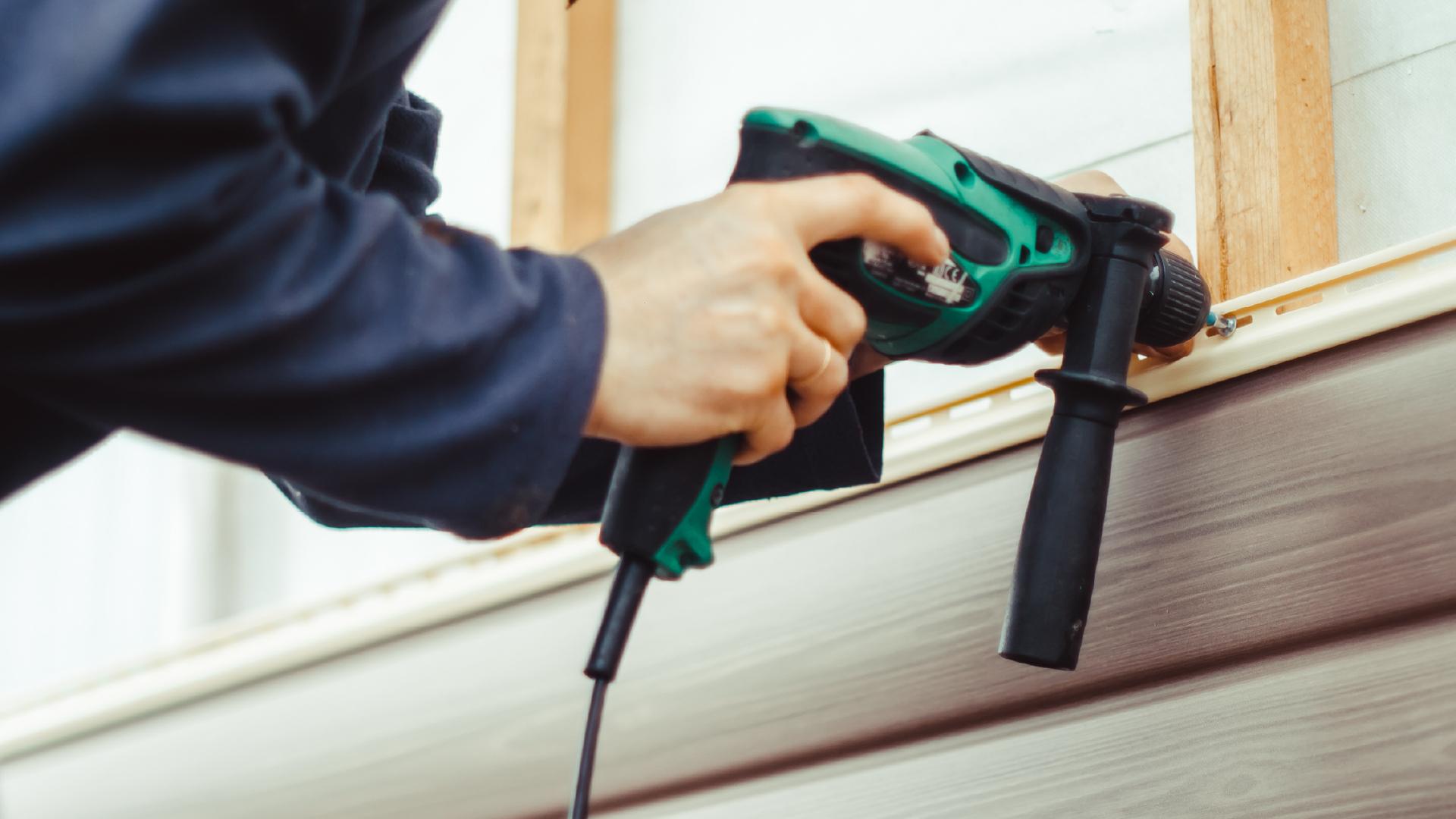
Most siding replacement cost falls within a Low to High range, depending heavily on the material chosen and the exterior wall area. For a typical replacement project, total costs can span from a budget-friendly starting point to a significant investment, before optional add-ons are included. Compare cost by material and by size below, then book a free local estimate with a B&B Siding & Roofing expert for a precise figure.
At a Glance: Siding Replacement Cost & Key Factors
- Cost by Material: Vinyl (Low to Medium) • Fiber Cement (Medium to High) • Engineered Wood (Medium)
- Size Examples: Project costs vary significantly by exterior wall area (1,000 / 1,500 / 2,000 / 2,500 sq ft).
- Price Movers: Always budget for add-ons like tear-off, new trim, insulation (housewrap/underlayment), and local permits.
- Next Step: Use our 5-step estimator guide below, then confirm your final investment with a free on-site quote.
How Much Does Siding Replacement Cost? (Quick Answer)
Choosing new siding is one of the most significant investments you’ll make in your home’s exterior envelope. In New Jersey and Staten Island, the primary factors influencing your siding replacement cost are the material you select and the total square footage of your home’s exterior walls. As an initial ballpark, you can expect an installed price to range from a low starting point for basic options up to a high investment for premium, durable materials. Please note that this is a starting point; the only way to get a guaranteed final price for your home is through a detailed, on-site inspection by a certified professional.
Cost by Material (Relative Cost)
The choice of siding material accounts for the largest variation in your total project cost. Homeowners in NJ and Staten Island often choose materials that offer high durability against our region’s mix of strong winds, nor’easters, and seasonal temperature swings. Here is a breakdown of the installed cost for the most popular options.
| Material | Typical Installed Cost | Durability | Maintenance | Notes |
| Vinyl | Low to Medium | Good | Low | The most budget-friendly option. Price varies with panel thickness and insulation level. |
| Fiber Cement | Medium to High | Excellent | Moderate | Highly durable, fire-resistant, and great against severe weather. Requires periodic repainting. |
| Engineered Wood | Medium | Very Good | Low/Moderate | Offers the look of wood without the high maintenance. Highly resistant to pests and moisture. |
| Natural Wood (Cedar) | Medium to High | Good | High | Requires regular maintenance (staining/sealing). Pricier options like true cedar shake are higher. |
| Aluminum/Steel | Medium | Good | Low | Excellent for moisture resistance but can dent and is less common for full residential replacement. |
The Educator’s Insight: The difference between a Low-cost material and a Medium-cost material might seem significant upfront. However, when you factor in the long-term value, durability, and increased potential lifespan, the slightly higher-cost material often provides a superior Return on Investment (ROI). Choosing a certified installer like B&B also protects that investment with strong manufacturer warranties.
Cost by Exterior Siding Area (Examples)
Siding is priced by the total exterior wall area that needs coverage, not your home’s interior square footage. A good rule of thumb is to measure the entire perimeter of your home and multiply it by the average wall height, then subtract major openings like garage doors and large picture windows.
To help you budget, here are estimated total project cost ranges based on the size of the area to be sided, presented as cost categories. These figures include material and labor but do not factor in all potential add-ons like tear-off, as that is scope-dependent.
| Exterior Wall Area (sq ft) | Vinyl Siding | Fiber Cement Siding | Engineered Wood |
| 1,000 sq ft | Low Range | Medium Range | Medium Range |
| 1,500 sq ft | Low to Medium Range | Medium to High Range | Medium Range |
| 2,000 sq ft | Medium Range | High Range | Medium to High Range |
| 2,500 sq ft | Medium to High Range | High Range | High Range |
What Drives Your Final Price
The final cost to replace siding is rarely just the material and the labor for installation. As expert contractors, we look at the entire building envelope, a sophisticated system of components that protect your home. Ignoring these crucial add-ons is how many contractors provide a lower “initial” price that results in a failure down the road.
Tear-off & Disposal
If you have existing siding, it needs to be removed and properly disposed of. This is not a line item to skip.
- The Cost: Tear-off and disposal typically add a necessary, but manageable, cost to your total project.
- The Rescuer Narrative: We’ve seen it time and time again: a homeowner who chose a cheaper bid where the contractor simply installed new siding over rotted wood or failed housewrap. This poor workmanship traps moisture and guarantees future, expensive problems. The tear-off process is mandatory to inspect the sheathing beneath and ensure you’re building on a solid, clean surface.
Trim, Corners, Soffits, and Fascia
The final aesthetics and weatherproofing rely heavily on the non-siding components:
- Trim & Corners: These decorative and protective elements around windows and doors are priced separately and are critical for a sealed, professional look.
- Soffits & Fascia: These protect the areas where the roof meets the exterior walls. Proper ventilation through soffits is vital for preventing moisture and wood rot.
Housewrap and Insulated Underlayment
A modern siding system relies on a proper Water-Resistant Barrier (WRB) underneath the actual siding panels.
- The Cost: Adding a quality housewrap or foam underlayment is a small investment relative to the total cost, but offers massive returns.
- The Benefit: Insulated underlayment provides a thermal break, which is essential for maximizing your home’s energy efficiency, a critical benefit for homeowners in Staten Island dealing with strong coastal winds and dramatic temperature changes.
Local Labor and Permits
In high-cost-of-living areas like Central New Jersey and Staten Island, labor is a premium. The skills of a certified installer (like B&B) directly correlate to the quality and longevity of your investment. Additionally, every city and town has its own requirements, meaning permits and inspections are a jurisdiction-dependent fixed cost.
5 Steps to Estimate Your Project
Use this practical guide to quickly calculate a preliminary budget for your siding replacement project.
- Measure Your Home: Determine the perimeter of your house and multiply it by your wall height to get a rough exterior wall area. Subtract the square footage of major openings.
- Choose Your Material: Select a material from the table above (Vinyl, Fiber Cement, etc.) and identify its associated cost range (Low, Medium, or High).
- Add Tear-Off & Disposal (if needed): Factor in the necessary additional cost for removing and disposing of the old siding.
- Add Trim + Underlayment: Budget an allowance for new trim/corners and for quality housewrap or insulated underlayment.
- Book an On-Site Quote: Stop estimating and start confirming. The only way to turn your ballpark figure into a final, guaranteed investment is to have a B&B expert conduct a free, no-pressure, on-site inspection of your entire exterior envelope.
Choose B&B for Siding & Roofing: Get Your Free, Local Estimate in New Jersey and Staten Island!
Ready to move past the ballpark figures? As the Educators, Not Salespeople, B&B Siding & Roofing is committed to providing you with an accurate, transparent, and comprehensive quote for your project. We’ll perform a full inspection of your building envelope, explain every line item, and discuss long-term value, not just short-term price.
Our team consists of certified professionals, ensuring your project is handled by experts trained in the latest installation techniques. Don’t just take our word for it, our stellar reputation is evident in outstanding Google reviews from satisfied customers across New Jersey and Staten Island. We pride ourselves on transparent communication, reliable service, and exceptional results.
Ready to transform your home with a team you can rely on? Learn more about our services and see examples of our work by visiting our website. For a free, no-obligation estimate, give us a call. New Jersey residents can reach us at 732-863-2340, and Staten Island at 718-550-6892. Let’s discuss your project and bring your vision to life!
Frequently Asked Questions
Here are some common questions homeowners ask about siding replacement cost and the process in New Jersey and Staten Island:
How do I measure my home for siding area?
For a good estimate, measure the distance around your home (perimeter) and multiply it by the height of the walls. Then, subtract the area of any large openings (like garage doors). This gives you the usable exterior wall area for material purchasing, but a professional will always take precise measurements and account for waste.
What’s included in the base cost vs. add-ons?
The base installed cost typically includes the cost of the siding material, the labor to install it on a prepared wall, and fasteners. Add-ons are separate line items, including tear-off, disposal, new trim, soffits, fascia, permits, and any preparatory work like repairing sheathing.
Is fiber cement worth the extra cost over vinyl?
For many New Jersey homeowners, yes, fiber cement is worth the extra cost. While priced in the Medium to High range compared to basic vinyl, its exceptional durability, non-combustible nature, and superior resistance to rot and pests often mean a lower total cost of ownership over a 30+ year lifespan.
How much do tear-off and disposal add?
Tear-off and disposal costs usually add a measurable amount to your project total. This cost covers the labor to remove the old material and the fee for legally disposing of the debris. Do not skip this step, it is critical to inspect and prepare the wall sheathing before new siding is installed.
Will insulated underlayment improve energy efficiency?
Absolutely. Installing an insulated underlayment or housewrap creates a thermal break, helping to prevent air leaks and heat transfer through the walls. This is highly recommended for homeowners in Staten Island who are looking to lower heating and cooling bills.
